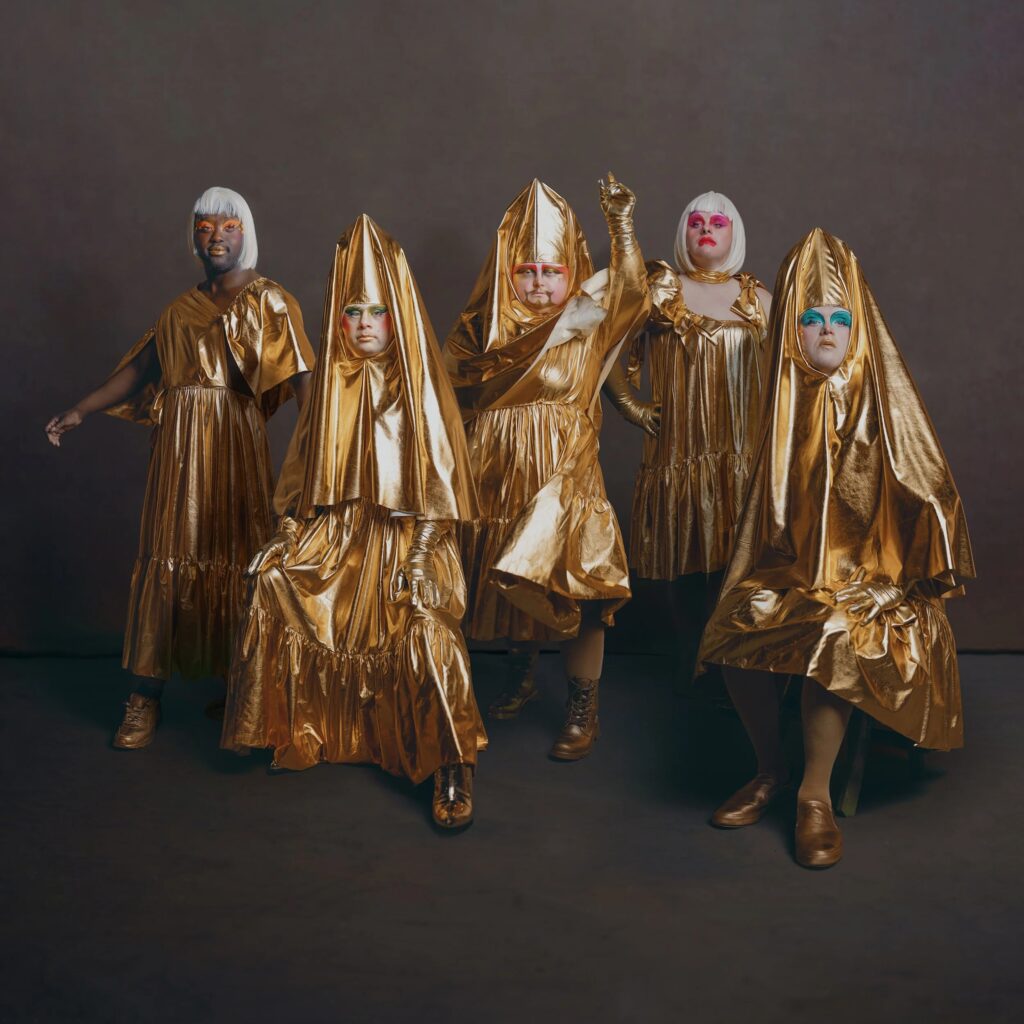
UnMute is a disability-led live music initiative that connects disabled musicians with professional performance opportunities and gives venues, festivals, promoters, agencies, tour managers and labels a supported route to booking them.
ConnectsMusic looks at how the roster works, the access practice behind it, and the range of artists now available to book.
UnMute and professional opportunity
UnMute has been developed as a roster for disabled musicians who are ready for professional live work. It brings artists and bookers into the same process, with access discussed early rather than added after the booking has been agreed.
Global Local and Continental Drifts present the initiative, working alongside organisations and professional networks including the Musicians’ Union, Attitude is Everything, Drake Music and RAMPD in the United States. These organisations bring experience in artist development, live music access, disability-led practice and industry support.
The booking process is direct. A promoter browses the roster, selects an artist and contacts the UnMute team. The team then supports the practical discussion around the booking, including access requirements where needed. This gives artists a route into performance work without having to rebuild the same access conversation from the beginning for every enquiry.
UnMute describes disabled musicians as active contributors to industry knowledge, practice and cultural value. That approach places artistic work first while recognising that access affects whether a musician is able to accept, prepare for and complete a booking on fair terms.
Access barriers in live music
Disabled musicians continue to report barriers across the live music process. These include inaccessible stages and backstage areas, unsuitable travel and accommodation, late changes to schedules, poor communication, assumptions about capability and uncertainty about who holds responsibility for access arrangements.
Sharing access requirements can also carry professional risk. Some artists worry that a request for an adjustment will affect whether they are booked, how they are treated by production teams or whether they are invited back. Where access is absent from standard booking practice, the artist is left to judge how much information to share and when to share it.
UnMute brings these discussions into the booking process at an earlier stage. The purpose is to identify what the artist needs to work safely and effectively, then agree who will arrange it. This reduces avoidable uncertainty for the artist, the promoter and the venue.
Access should sit alongside fees, timings, travel, technical requirements and hospitality as part of normal event planning. Treating it this way supports better working conditions and gives bookers a clearer basis for delivering the show.
Access riders and Just Ask
An access rider records the adjustments an artist needs in order to work. Depending on the individual, it might cover stage access, lighting, sound levels, rest space, communication format, travel, personal assistance, equipment handling, breaks or the timing of rehearsals and soundchecks.
The rider gives the artist and booker a shared reference point. It also reduces repeated disclosure, since the artist does not need to explain the same information in a different form each time. A well-handled rider supports planning and helps production teams avoid last-minute changes.
Attitude is Everything’s Just Ask guide, launched with Independent Venue Week, gives promoters and venues a framework for starting these conversations. Its central principle is direct communication. Ask the artist what they need, listen to the answer and agree the arrangements before the event.
Bookers do not need to predict every access requirement. They need a process that makes it safe and routine for artists to share relevant information. UnMute supports that process by connecting roster selection with practical booking support.
The roster
The Spring 2026 roster covers a wide range of live music. It includes vintage swing, blues, drum and bass, house, jungle, ska, Balkan music, cabaret, electronic pop, gypsy jazz, folk punk, hip-hop, dubstep, electro-funk and Celtic dub dance.
Artists listed include Ali Affleck, Deaf Rave, DJ Flood, DJ The Chairman – Joss, Drag Syndrome, emzae, Gypskazz, John Kelly, Kray-Z Legz, Revenge of Calculon, rightkeysonly and Tarantism.
The breadth of the roster helps counter the idea that disability-led programming belongs to one genre, event format or audience. These artists work across club culture, festivals, grassroots venues, theatre, cabaret and concert settings. The relevant question for a booker is the same as for any roster: which artist fits the programme?
Global Local also maintains a wider directory for artists outside its usual genre base. That directory extends into contemporary folk, acoustic music, broken folk, electronica, ambient work, neo-classical jazz, political jazz, singer-songwriter music, deep house, folk-jazz crossover and pop-rock-dance.
FEATURED UNMUTE ROSTER ARTISTS
Ali Affleck – Vintage, swing, blues
Deaf Rave – DJs and MCs collective, drum and bass, house, classics
DJ Flood – Drum and bass, jump up, jungle
DJ The Chairman – Joss – Ska, Balkan, twisted cabaret
Drag Syndrome – Performance collective
emzae – Electronic pop
Gypskazz – Gypsy jazz ska
John Kelly – Folk punk
Kray-Z Legz – Hip-hop, DNB, dubstep
Revenge of Calculon – Electro-funk
rightkeysonly – Electronic dance
Tarantism – Celtic dub dance
From policy to practice
Statements about inclusion have limited effect unless they change how bookings are made. For disabled artists, the practical test sits in the contract, the production plan, the fee, the travel booking, the schedule and the venue setup.
UnMute places responsibility across the professional chain. Artists communicate what they need. Bookers receive and act on that information. Agencies, labels, tour managers, venues and festival teams include access in their part of the plan rather than leaving the artist to coordinate every detail.
This approach also improves the event itself. Clear information supports smoother production, fewer late changes and better use of staff time. It also widens the pool of artists available to programmers without treating access as a separate artistic category.
The aim is consistent practice across many bookings. One accessible show is useful. A booking system that handles access well each time gives artists a more dependable route through the live sector.
Support for bookers
UnMute is designed to reduce uncertainty for promoters and venues. Bookers can review the artists, choose a suitable act and contact the team for support with the next steps.
Good access planning starts early. It requires a named contact, accurate information and enough time to arrange what has been agreed. It also requires the venue and promoter to distinguish between an artist preference and an access requirement, since the latter relates directly to the artist’s ability to work.
Many barriers arise before an artist reaches the venue. Routing, transport, accommodation, call times, rehearsal schedules and the format of production information all affect whether a booking is workable. Agencies, tour managers and labels therefore have a direct role in access planning.
UnMute offers a route into this work without expecting each booker to begin with specialist knowledge. The expectation is practical: ask, listen, agree the plan and deliver it.
LINKS
UnMute Roster:
Guardian feature:
Attitude is Everything Just Ask guide: